
The number of cymbals in a drum set varies dramatically depending on musical style, player experience, budget considerations, and performance requirements. This fundamental question doesn’t have a single answer, as cymbal configurations range from the minimal three-piece setup used by beginning drummers to elaborate arrays featuring dozens of cymbals employed by professional touring musicians. Understanding optimal cymbal quantities helps drummers make informed purchasing decisions while building setups that serve their musical goals effectively.
Different musical genres demand varying cymbal approaches, with some styles emphasizing subtle hi-hat work and ride patterns, while others require explosive crash sequences and specialty effect cymbals. Jazz drummers might achieve complete musical expression with a carefully selected four-cymbal setup, while metal performers often employ extensive cymbal arrays to create the dynamic range and sonic variety their music demands.
The evolution from basic to professional cymbal configurations represents a journey that most drummers experience over years of playing and musical development. Starting with essential pieces and gradually expanding based on musical needs and available resources allows for thoughtful collection building that serves both immediate requirements and long-term artistic goals. This approach prevents overwhelming beginners while providing clear upgrade paths for advancing players.
This comprehensive guide examines cymbal quantities across different contexts, helping drummers understand how many cymbals they actually need, what types serve essential functions, and how to build collections that balance musical versatility with practical considerations like budget, space, and maintenance requirements.
Standard Drum Set Cymbal Configuration
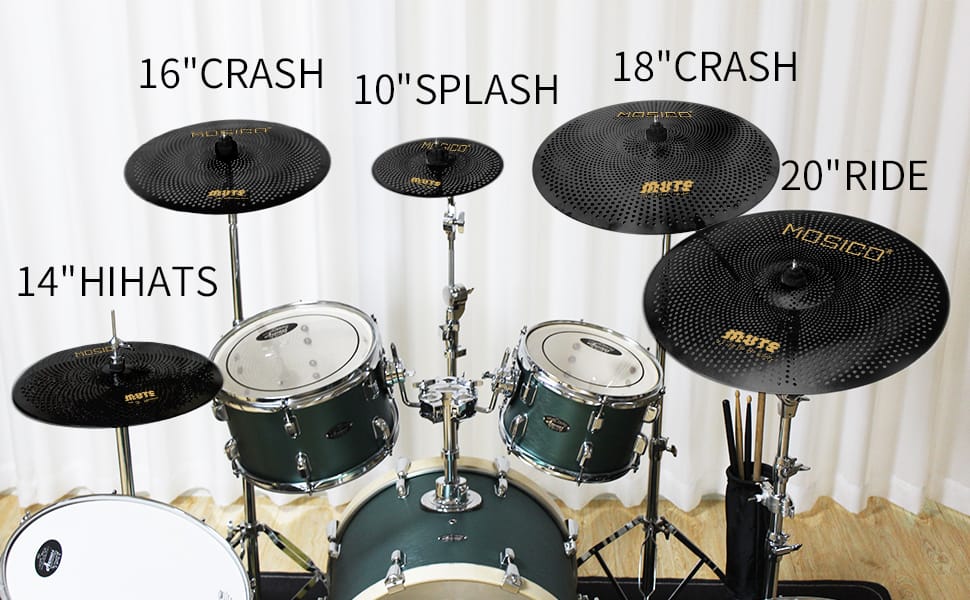
The traditional five-piece drum set typically includes three essential cymbals that form the foundation of most drumming applications. This standard configuration consists of hi-hat cymbals, one ride cymbal, and one crash cymbal – providing the basic sonic palette necessary for most popular music styles. These three cymbal types cover the fundamental musical functions required for rhythm keeping, accents, and dynamic expression across numerous musical contexts.
Hi-hat cymbals serve as the rhythmic backbone of most drum set playing, consisting of two cymbals mounted on a specialized stand with foot pedal control. The hi-hat provides steady time-keeping patterns, crisp accents, and subtle dynamic variations through foot technique and stick articulation. This cymbal pair alone enables complex rhythmic expression, making it arguably the most important element in any drum set cymbal configuration.
The ride cymbal functions as the primary time-keeping surface for many musical styles, offering a sustained, controlled sound perfect for steady patterns and subtle rhythmic variations. Typically measuring 20-22 inches in diameter, ride cymbals provide the sonic foundation for jazz, rock, and countless other genres. The ride’s bell section offers additional tonal possibilities for accents and special effects, expanding its musical utility significantly.
Crash cymbals deliver dramatic accents and punctuation throughout musical arrangements, creating explosive sounds that emphasize important musical moments. Standard crash cymbals range from 16-18 inches in diameter, providing bright, penetrating sounds that cut through full band arrangements effectively. The crash cymbal’s explosive character makes it essential for dynamic expression and musical climaxes.
This three-cymbal standard configuration serves beginning through intermediate drummers effectively, providing sufficient variety for most musical applications while remaining manageable in terms of cost, space, and setup complexity. Many professional drummers continue using variations of this basic setup when musical requirements favor simplicity and focus over extensive cymbal variety.
Beginner vs Professional Cymbal Setups
Beginning drummers can achieve complete musical functionality with the minimal three-cymbal configuration consisting of hi-hat cymbals, one ride, and one crash cymbal. This setup covers all essential musical functions while remaining affordable and manageable for new players developing fundamental techniques. Starting with fewer cymbals allows beginners to focus on proper technique development and musical understanding without overwhelming complexity or financial burden.
The beginner’s primary focus should be learning to use each cymbal effectively rather than accumulating quantity. Proper hi-hat technique alone requires months or years to master, involving coordination between hands and feet to create the subtle variations that define professional playing. Similarly, developing effective ride and crash techniques takes considerable practice time that benefits from concentrated focus rather than divided attention across numerous cymbals.
Intermediate drummers often expand to four or five cymbals, typically adding a second crash cymbal of different size or character, plus possibly a splash cymbal for additional accent options. This moderate expansion provides increased dynamic range and tonal variety without overwhelming complexity. The additional crash cymbal allows for different accent qualities, while splash cymbals offer quick, bright punctuation perfect for fills and special effects.
Professional setups vary enormously based on musical requirements, but many working drummers employ six to ten cymbals in their standard configurations. This might include hi-hats, two ride cymbals of different characters, three or four crash cymbals in various sizes, and several specialty pieces like splash, china, or effects cymbals. The expansion serves specific musical needs rather than simple accumulation of equipment.
Advanced professional configurations can include fifteen or more cymbals, particularly for drummers working in progressive rock, metal, or fusion contexts that demand extensive sonic variety. These elaborate setups require significant investment in both cymbals and supporting hardware, plus the physical space and transportation capacity to manage such extensive configurations. However, the musical possibilities justify the complexity for appropriate applications.
Genre-Specific Cymbal Requirements
Rock music typically requires four to six cymbals to cover the genre’s dynamic range and energy demands. A standard rock setup includes hi-hats, a ride cymbal, and two or three crash cymbals of varying sizes to create different accent intensities. Many rock drummers add china cymbals for explosive accents and splash cymbals for quick punctuation during fills and transitions. The emphasis is on cutting power and dynamic expression rather than subtle tonal variations.
Metal drumming often demands the most extensive cymbal collections, with six to twelve cymbals being common among professional metal drummers. The genre’s extreme dynamics and complex arrangements require numerous crash cymbals, multiple china cymbals, splash cymbals, and sometimes specialty effects pieces. Metal drummers frequently use heavier, thicker cymbals that can withstand aggressive playing while projecting through high-volume arrangements effectively.
Jazz drumming represents the opposite extreme, with many professional jazz drummers achieving complete musical expression using just four cymbals: hi-hats, a ride cymbal, and one or two crash cymbals. The emphasis on subtlety, interaction, and musical conversation favors deeper exploration of fewer cymbals rather than extensive collections. However, some contemporary jazz drummers incorporate additional pieces for specific compositional or improvisational purposes.
Pop and contemporary music usually requires five to seven cymbals to handle the genre’s moderate dynamics and diverse stylistic demands. Pop drumming often involves elements from multiple genres, requiring versatility that benefits from moderate cymbal variety. The setup typically includes hi-hats, a ride, two crash cymbals, and perhaps splash or china cymbals for special effects and textural variety.
Fusion and progressive music demands extensive cymbal collections due to complex compositions and diverse stylistic influences. Professional fusion drummers often employ eight to fifteen cymbals, including multiple rides, numerous crashes of different sizes, various specialty pieces, and sometimes ethnic or hybrid cymbals that provide unique tonal colors. The musical complexity justifies the equipment investment and setup complexity.
World music and ethnic styles may require specialized cymbals beyond standard Western drum set pieces. These might include finger cymbals, hand cymbals, or traditional ethnic instruments that serve specific cultural musical functions. The cymbal count varies dramatically based on specific cultural traditions and contemporary fusion approaches.
Essential Cymbal Types and Their Functions
Hi-hat cymbals form the rhythmic foundation of drum set playing, consisting of two cymbals that can be played together through foot control or separately with sticks. The bottom cymbal remains stationary while the top cymbal moves via pedal action, creating the characteristic “chick” sound when closed and various open sounds when separated. Hi-hat technique includes closed patterns, open sounds, foot splashes, and subtle variations achieved through partial closure and stick placement.
Ride cymbals provide sustained, controllable sounds perfect for time-keeping patterns and rhythmic accompaniment. The cymbal’s surface offers different tonal areas, from the clear ping of the riding area to the warm wash of the crash area. The bell section provides bright, cutting accents perfect for Latin patterns and special effects. Quality ride cymbals maintain clarity even during complex patterns while offering dynamic responsiveness across all playing levels.
Crash cymbals deliver explosive accents and dramatic punctuation throughout musical arrangements. Different sizes produce varying attack characteristics and sustain lengths, with smaller crashes providing quick, bright accents while larger crashes create powerful, sustained explosions. The choice of crash cymbal size and character significantly affects the drummer’s ability to match musical dynamics and stylistic requirements.
Splash cymbals offer quick, bright accents perfect for fills, transitions, and subtle punctuation. Typically measuring 6-12 inches in diameter, splash cymbals provide immediate attack with minimal sustain, making them ideal for rapid accent sequences and delicate musical moments. Their small size and quick decay prevent interference with other musical elements while adding brightness and articulation.
China cymbals create trashy, explosive sounds with rapid decay characteristics perfect for dramatic accents and special effects. The inverted edge design produces a distinctive sound that cuts through dense arrangements while adding aggressive character to musical passages. China cymbals work particularly well in rock and metal contexts where aggressive accents enhance the music’s energy and intensity.
Effects cymbals encompass various specialty pieces designed for specific sonic purposes, including stacks, bells, and hybrid designs that combine multiple cymbal types. These pieces expand the drummer’s sonic palette beyond traditional cymbal sounds, enabling creative expression and unique textural elements. Effects cymbals serve compositional and improvisational purposes rather than basic rhythmic functions.
Expanding Your Cymbal Collection
Cymbal expansion should follow musical needs rather than arbitrary accumulation, with each addition serving specific sonic purposes in your musical context. The most logical first expansion typically involves adding a second crash cymbal of different size or character, providing variety in accent dynamics and tonal color. This addition doubles the crash options while requiring minimal additional hardware investment.
Splash cymbals represent excellent second-tier additions, offering significant musical utility at relatively modest cost. Their quick attack and minimal sustain make them perfect for fills and accents without interfering with other musical elements. Splash cymbals also require minimal setup space and can often share stands with other cymbals through multi-clamp hardware arrangements.
China cymbals should be considered when musical styles demand aggressive accents and special effects that traditional crashes cannot provide. The distinctive trashy sound and rapid decay create unique possibilities for dramatic punctuation and textural variety. However, china cymbals serve specialized purposes and may not benefit all musical applications equally.
Multiple ride cymbals serve advanced players who need different ride characteristics for varying musical contexts. A second ride might offer different weight, size, or surface treatment that provides alternative tonal colors while maintaining time-keeping functionality. This expansion benefits musicians working across diverse stylistic contexts that demand different ride characteristics.
Effects and specialty cymbals should be added only when specific musical needs justify their inclusion. These pieces often serve narrow purposes and may not provide sufficient utility to justify their cost and setup complexity for casual players. However, they can be essential for specific musical contexts or creative expression requirements.
Budget considerations should prioritize musical impact over quantity, with emphasis on quality pieces that serve multiple functions rather than numerous mediocre cymbals with limited utility. Building a collection gradually allows for thoughtful selection and proper evaluation of each addition’s musical contribution to your overall setup.
Space and Setup Considerations
Physical space limitations significantly impact practical cymbal quantities, with most drummers constrained by rehearsal rooms, stages, and transportation capacity rather than musical desires. Standard practice rooms typically accommodate five to eight cymbals comfortably, while larger setups require dedicated rehearsal spaces and professional stage environments. Consider your primary playing environments when planning cymbal quantities.
Hardware requirements multiply with cymbal additions, requiring stands, arms, and mounting systems that add weight, complexity, and cost to your setup. Each additional cymbal typically requires additional hardware investment that may exceed the cymbal cost itself. Plan hardware needs carefully to avoid setup instability or overcrowding that interferes with playing comfort and technique.
Ergonomic considerations become critical as cymbal quantities increase, with reach distances and playing angles affecting technique and comfort. Cymbals positioned too far from natural playing positions cause fatigue and technique compromise, while overcrowded setups interfere with stick movement and musical expression. Design layouts that prioritize playing comfort and musical functionality over impressive appearance.
Transportation logistics constrain many drummers’ cymbal quantities, particularly musicians who frequently move equipment between venues. Each additional cymbal requires protective cases, increases vehicle space requirements, and adds setup time at each venue. Consider transportation reality when planning cymbal collections, especially for working musicians who prioritize efficiency and reliability.
Setup time increases substantially with extensive cymbal collections, requiring more time for assembly, positioning, and tuning at each venue. Professional touring drummers often employ drum technicians to manage complex setups, while working musicians must balance setup complexity against practical time constraints. Factor setup efficiency into cymbal quantity decisions for maximum practicality.
Storage requirements expand with cymbal collections, requiring dedicated space and protective equipment to prevent damage during non-use periods. Quality cymbals represent significant investments that deserve proper protection through appropriate storage solutions. Plan storage capacity before acquiring extensive collections to ensure proper equipment care.
Maintenance and Longevity Factors
Maintenance workload increases proportionally with cymbal quantities, requiring more time for cleaning, inspection, and care procedures. Each cymbal needs regular attention to maintain optimal performance and appearance, with larger collections demanding significant time investment for proper maintenance. Consider available time for equipment care when planning collection size.
Cleaning frequency and methods vary with cymbal quantities and usage patterns, with larger collections requiring systematic approaches to maintain all pieces properly. Develop efficient cleaning routines that can be managed within available time constraints while ensuring consistent care across all cymbals. Neglected cymbals deteriorate faster and may develop problems that affect performance quality.
Wear distribution benefits from larger cymbal collections, as playing time spreads across more pieces rather than concentrating on few cymbals. This distribution extends individual cymbal life while maintaining collection functionality even when specific pieces require maintenance or replacement. However, the benefit applies only when cymbals are actually rotated in regular use.
Replacement planning becomes more complex with extensive collections, as individual pieces may need replacement at different times based on usage patterns and wear rates. Budget for ongoing replacement costs rather than treating cymbal purchases as one-time investments. Quality cymbals can last decades with proper care, but heavy use and accidents necessitate periodic replacement.
Insurance considerations increase with valuable cymbal collections, particularly for professional musicians with extensive setups. Document collection value and ensure adequate coverage for theft, damage, and loss during transportation. Professional-grade cymbals represent significant investments that deserve appropriate financial protection.
Professional maintenance services may become cost-effective for extensive collections, particularly when considering cleaning, repair, and restoration services. Some drummers find professional maintenance more economical than time investment for large collections, especially when considering the expertise required for proper cymbal care.
Budget Planning for Cymbal Purchases
Entry-level cymbal setups typically cost $300-800 for basic three-cymbal configurations using quality bronze cymbals suitable for serious musical applications. This investment covers hi-hats, a ride cymbal, and one crash cymbal from reputable manufacturers. While lower-cost options exist, investing in quality bronze cymbals from the beginning provides better sound, durability, and long-term satisfaction compared to brass or steel alternatives.
Intermediate setups with four to six cymbals generally require $800-2000 investment, depending on brand choices and size preferences. This level provides sufficient variety for most musical applications while maintaining reasonable budget requirements. Purchasing cymbals gradually allows for spreading costs over time while building familiarity with different manufacturers and models.
Professional-level collections with eight to twelve cymbals typically cost $2000-5000 or more, depending on brand selection and specialty pieces included. This investment level provides extensive musical versatility suitable for professional applications across multiple genres. The cost per cymbal often decreases with larger purchases due to package deals and bulk discounts available from many retailers.
Used cymbal markets offer significant savings opportunities for budget-conscious drummers, with quality used cymbals often available for 40-60% of new prices. However, buying used requires expertise in evaluating cymbal condition, authenticity, and value. Develop knowledge about cymbal assessment before investing in used markets to avoid costly mistakes.
Financing options through music retailers enable larger initial purchases while spreading payments over time. Many stores offer interest-free financing for qualified buyers, making professional-level setups accessible to serious musicians who prefer immediate access to complete collections. Evaluate financing terms carefully to ensure favorable conditions.
Investment value varies significantly among cymbal brands and models, with some pieces retaining value better than others in resale markets. Research resale values when making purchase decisions, particularly for expensive specialty pieces that may have limited secondary markets. Quality cymbals from established manufacturers generally retain value better than budget alternatives.
Conclusion
The optimal number of cymbals for any drum set depends on individual musical needs, budget constraints, and practical considerations rather than arbitrary standards or peer pressure. Beginning drummers achieve complete musical functionality with three cymbals, while advanced players may require extensive collections to serve diverse musical contexts. The key is matching cymbal quantities to actual musical requirements rather than pursuing impressive numbers.
Musical needs should drive all cymbal acquisition decisions, with each addition serving specific sonic purposes that enhance musical expression. Quality over quantity remains the most important principle, as a few excellent cymbals provide better musical service than numerous mediocre pieces. Building collections gradually allows for thoughtful selection and proper evaluation of each addition’s musical contribution.
Practical considerations including budget, space, transportation, and maintenance capacity must balance against musical desires to create sustainable, functional setups. The most successful drummers develop cymbal collections that serve their musical goals while remaining manageable within their practical constraints. Regular evaluation and adjustment ensure collections continue serving changing musical needs effectively.
Rational purchasing approaches that prioritize musical utility over accumulation create collections that provide lasting satisfaction and musical service. Understanding cymbal functions, musical requirements, and practical limitations enables informed decisions that build effective, sustainable drum setups regardless of specific cymbal quantities chosen.