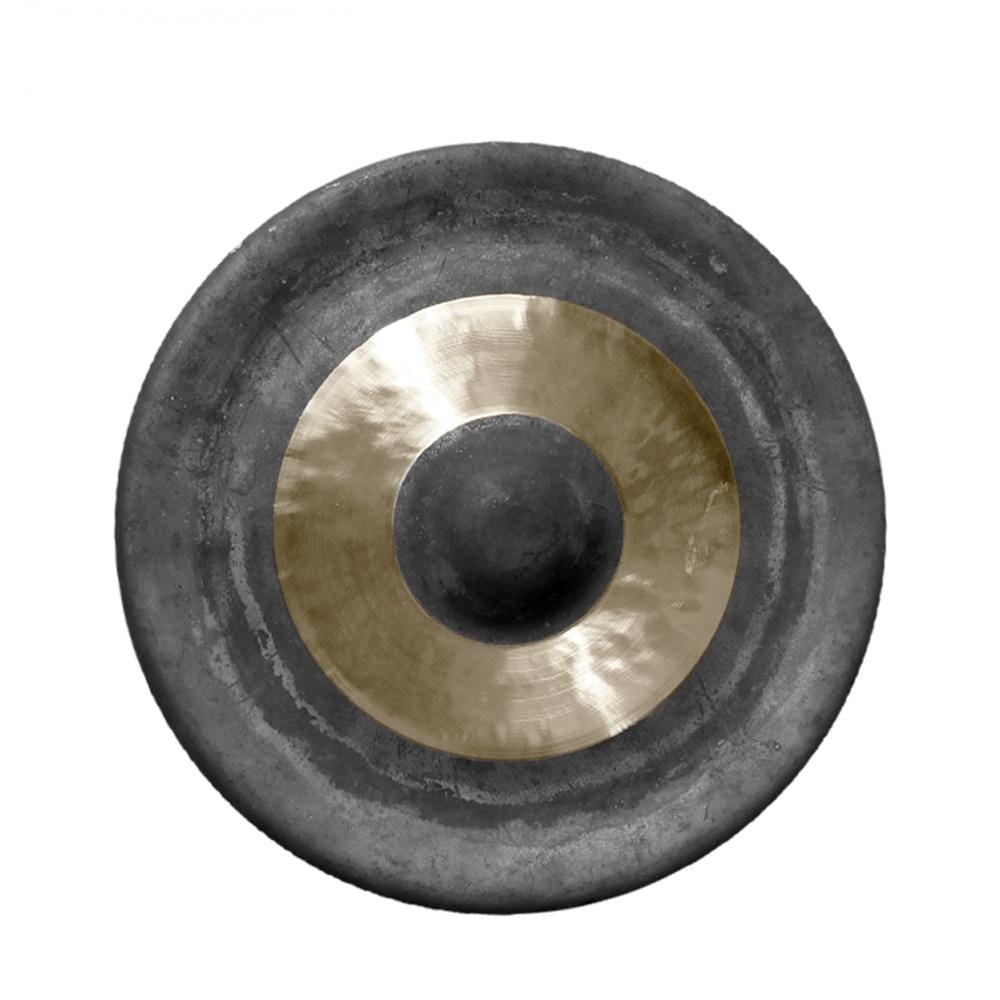
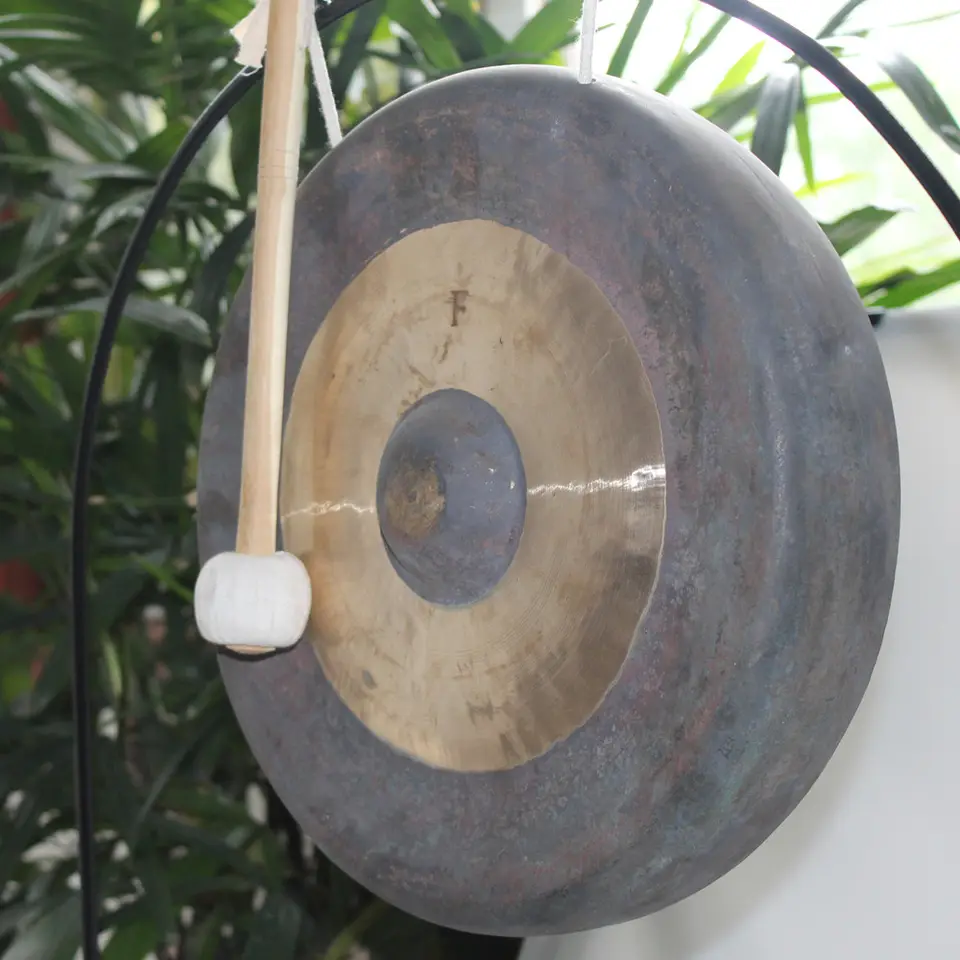
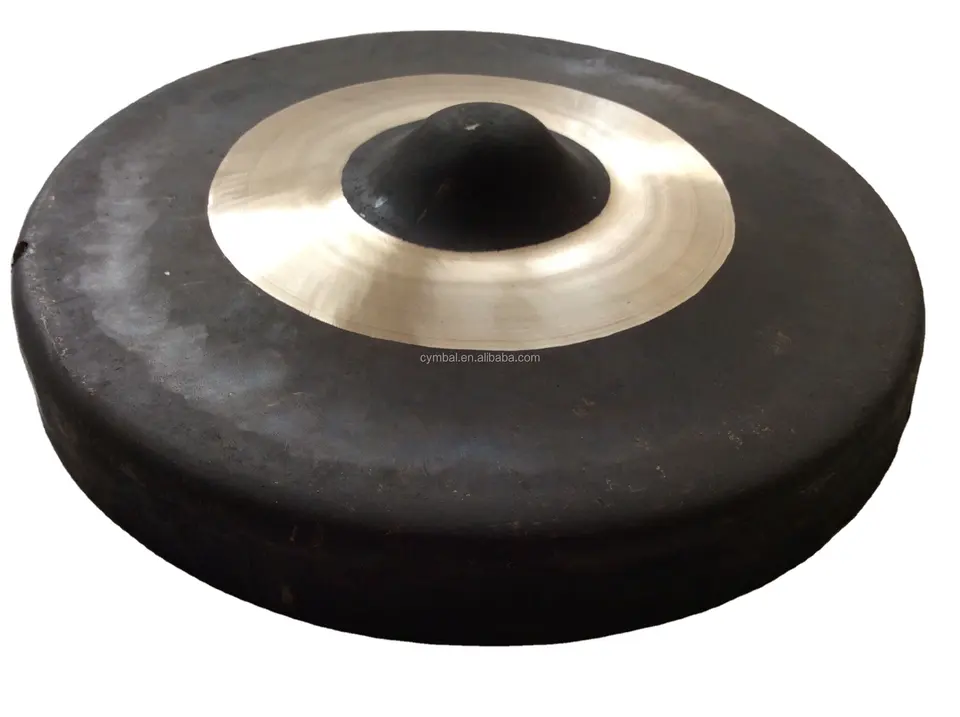
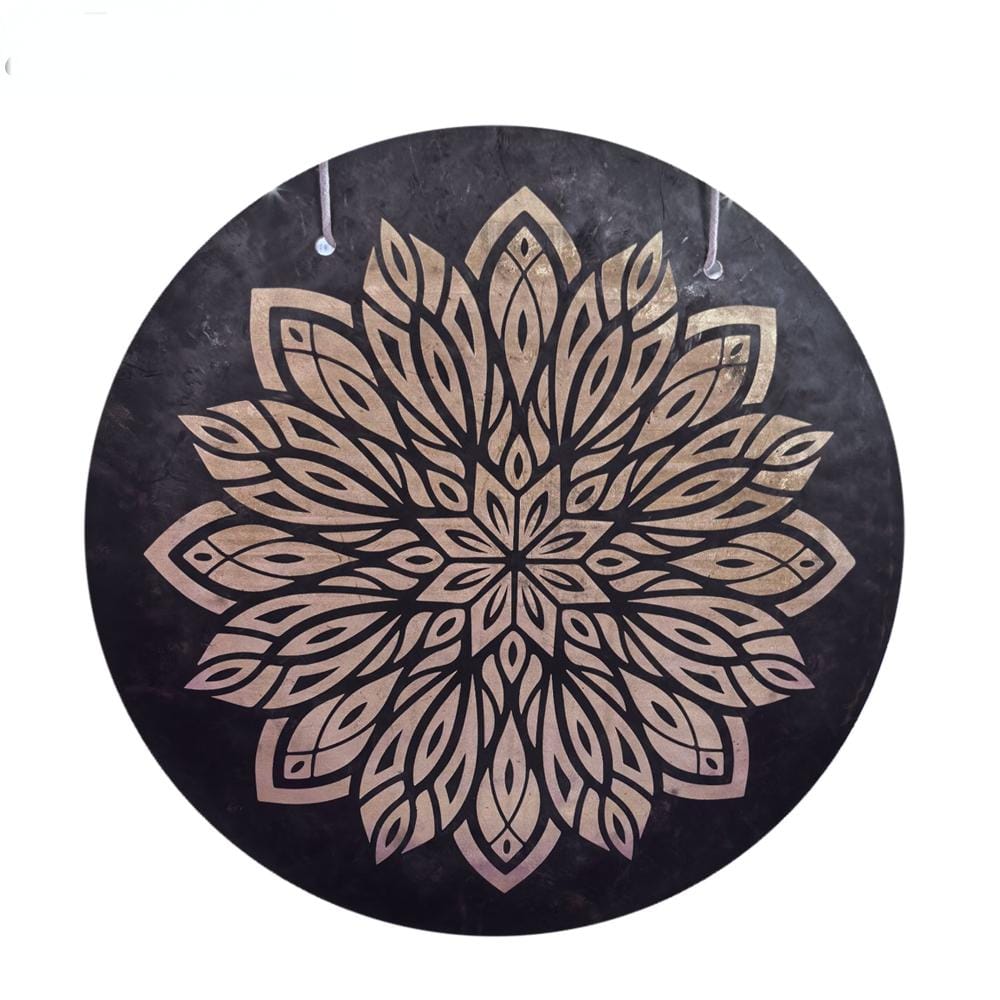
Discover the refined elegance of the Mosico Bao Gong, where the ancient Chinese tradition of “precious sound” meets contemporary acoustic excellence.
Each Bao Gong is meticulously handcrafted using traditional Chinese bronze-working techniques passed down through generations, combined with modern acoustic science to create instruments of extraordinary beauty and musical value. These are not merely percussion instruments—they are cultural treasures that preserve and honor the sophisticated musical heritage of Chinese civilization.
Classical Chinese Acoustic Philosophy
Zhong Harmony (中和) – Balanced, centered sound that embodies the Confucian ideal of moderation and harmony, producing frequencies that neither overwhelm nor disappoint but achieve perfect musical equilibrium.
Precious Metal Resonance – Traditional bronze alloy composition based on ancient Chinese metallurgical knowledge, creating the warm, golden tones that have defined Chinese percussion for over 3,000 years.
Five Element Integration – Acoustic characteristics that honor the Wu Xing (五行) theory, with sound qualities representing the harmonious interaction of wood, fire, earth, metal, and water elements.
Traditional Craftsmanship Excellence
- Heritage Bronze Alloy – Classical Chinese bronze composition using traditional copper-tin ratios perfected during the Zhou Dynasty period
- Hand-Forged Construction – Each gong individually shaped using time-honored hammer and anvil techniques by master craftsmen
- Traditional Patina Development – Natural aging process that creates the distinctive color and acoustic character prized in classical Chinese instruments
- Cultural Symbol Integration – Subtle incorporation of auspicious Chinese symbols and patterns that enhance both beauty and acoustic properties
Classical Chinese Sound Characteristics
Wen (文) – Refined Elegance
- Sophisticated tonal qualities that reflect Chinese cultural values of subtlety and depth
- Acoustic character that rewards careful listening and musical sensitivity
- Sound that embodies the Chinese aesthetic principle of “less is more”
Ya (雅) – Noble Sophistication
- Dignified acoustic presence suitable for formal ceremonies and scholarly pursuits
- Frequencies that support contemplation, study, and intellectual development
- Musical character that elevates both performer and audience consciousness
He (和) – Harmonious Unity
- Perfect acoustic balance that supports ensemble playing and group harmony
- Sound that blends beautifully with traditional Chinese instruments like guqin, erhu, and dizi
- Frequencies that promote social harmony and collective musical expression
Technical Specifications
| Classical Feature | Bao Gong Excellence |
|---|
| Alloy Composition | Traditional Chinese bronze (78% copper, 22% tin) |
| Construction Method | Hand-forged using classical techniques |
| Surface Treatment | Natural patina development and traditional finishing |
| Acoustic Character | Balanced, refined, harmonious |
| Cultural Authenticity | Verified by Chinese musicology experts |
| Historical Accuracy | Based on artifacts from major Chinese dynasties |
Traditional Chinese Applications
Classical Chinese Music
- Authentic accompaniment for traditional Chinese orchestras and ensembles
- Perfect integration with ancient Chinese musical forms and compositions
- Support for classical Chinese opera and theatrical performances
Confucian Ceremony & Ritual
- Appropriate acoustic presence for formal Confucian ceremonies and educational events
- Sound that honors traditional Chinese values of respect, harmony, and cultural continuity
- Integration with tea ceremony, calligraphy, and other refined Chinese arts
Traditional Chinese Medicine Integration
- Frequencies that support Traditional Chinese Medicine principles and practices
- Acoustic healing based on five-element theory and meridian energy flow
- Sound therapy that complements acupuncture, herbal medicine, and qigong practice
Cultural & Educational Significance
Chinese Cultural Preservation
- Authentic representation of traditional Chinese musical instrument craftsmanship
- Educational tool for teaching Chinese history, culture, and musical traditions
- Cultural bridge building between Eastern and Western musical understanding
Mandarin Language Learning
- Acoustic context for Chinese language study and pronunciation practice
- Cultural immersion tool for students of Chinese civilization and philosophy
- Sound environment that supports Mandarin tonal awareness and linguistic development
Chinese Philosophy Integration
- Acoustic expression of Taoist, Confucian, and Buddhist philosophical principles
- Sound meditation support for Chinese contemplative practices
- Musical embodiment of Chinese concepts of balance, harmony, and natural order
Size Range & Traditional Classifications
Scholarly Practice Sizes:
- 12″ (30cm): Individual study and personal cultivation
- 16″ (40cm): Small group learning and intimate gatherings
- 20″ (50cm): Medium classroom and cultural education settings
Ceremonial & Performance Sizes:
- 24″ (60cm): Traditional Chinese ensemble and orchestra applications
- 28″ (70cm): Large ceremony and festival performances
- 32″ (80cm): Maximum presence for major cultural celebrations
Traditional Playing Techniques
Wen Strike (文击) – Scholarly Technique
- Gentle, controlled strikes that emphasize refinement and musical sensitivity
- Playing style that honors the contemplative nature of Chinese scholarly tradition
- Technique that reveals subtle acoustic nuances and harmonic complexities
Li Strike (礼击) – Ceremonial Technique
- Formal, respectful striking method appropriate for ritual and ceremony
- Playing approach that embodies traditional Chinese values of propriety and dignity
- Acoustic presentation that supports group harmony and collective participation
Dao Strike (道击) – Natural Way Technique
- Effortless, flowing playing style that follows Taoist principles of wu wei
- Natural movement that allows the gong’s inherent acoustic nature to express itself
- Technique that demonstrates harmony between human intention and natural sound
Care & Cultural Maintenance
Traditional Preservation:
- Cleaning methods based on classical Chinese instrument care practices
- Storage in environments that honor the cultural significance and material composition
- Regular playing to maintain acoustic vitality and cultural connection
- Seasonal maintenance aligned with traditional Chinese calendar and festivals
Cultural Authentication & Provenance
Expert Verification:
- Authentication by recognized Chinese musicology and cultural heritage experts
- Documentation of traditional construction methods and cultural accuracy
- Certification of appropriate materials and historically accurate techniques
- Connection to verified lineages of Chinese instrument-making masters
Educational & Cultural Programs
Chinese Culture Immersion:
- Comprehensive educational materials on Chinese musical traditions and cultural context
- Workshops on traditional Chinese playing techniques and musical theory
- Cultural exchange programs connecting practitioners with Chinese musical communities
- Language learning integration supporting Chinese cultural and linguistic study
Investment & Cultural Value
Cultural Heritage Investment:
- Appreciation potential based on growing global interest in Chinese culture
- Educational value for institutions teaching Asian studies and world music
- Cultural significance for Chinese communities preserving traditional practices
- Historical importance as authentic representation of classical Chinese craftsmanship
The Mosico Cultural Vision
Our Bao Gongs represent seven years of collaboration with Chinese master craftsmen, musicologists, and cultural heritage specialists. These instruments honor the profound sophistication of Chinese musical tradition while serving contemporary needs for cultural education and authentic musical expression.
Perfect For:
- Students and teachers of Chinese culture, history, and musical traditions
- Traditional Chinese medicine practitioners and qigong/taiji instructors
- Musicians seeking authentic integration with Chinese musical forms and ensembles
- Cultural institutions preserving and teaching Asian musical heritage
- Anyone committed to honoring and perpetuating classical Chinese artistic traditions
Investment in Cultural Wisdom:
- Instruments that deepen understanding and appreciation of Chinese civilization
- Educational materials supporting lifelong learning about Chinese culture and philosophy
- Connection to global communities preserving traditional Chinese musical arts
- Contribution to cross-cultural understanding and artistic bridge-building
Honor the ancestors, treasure the tradition. The Mosico Bao Gong—where ancient wisdom resonates, where Chinese culture sings, where tradition becomes treasure.