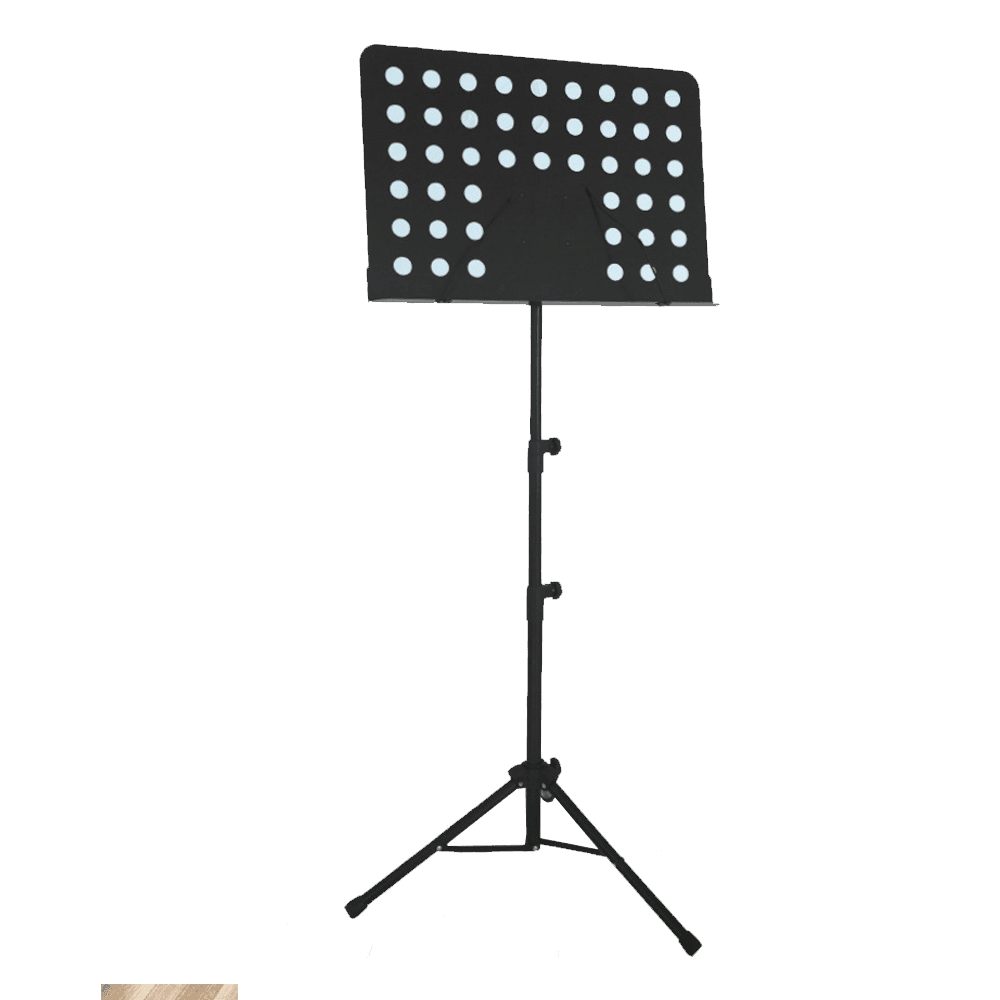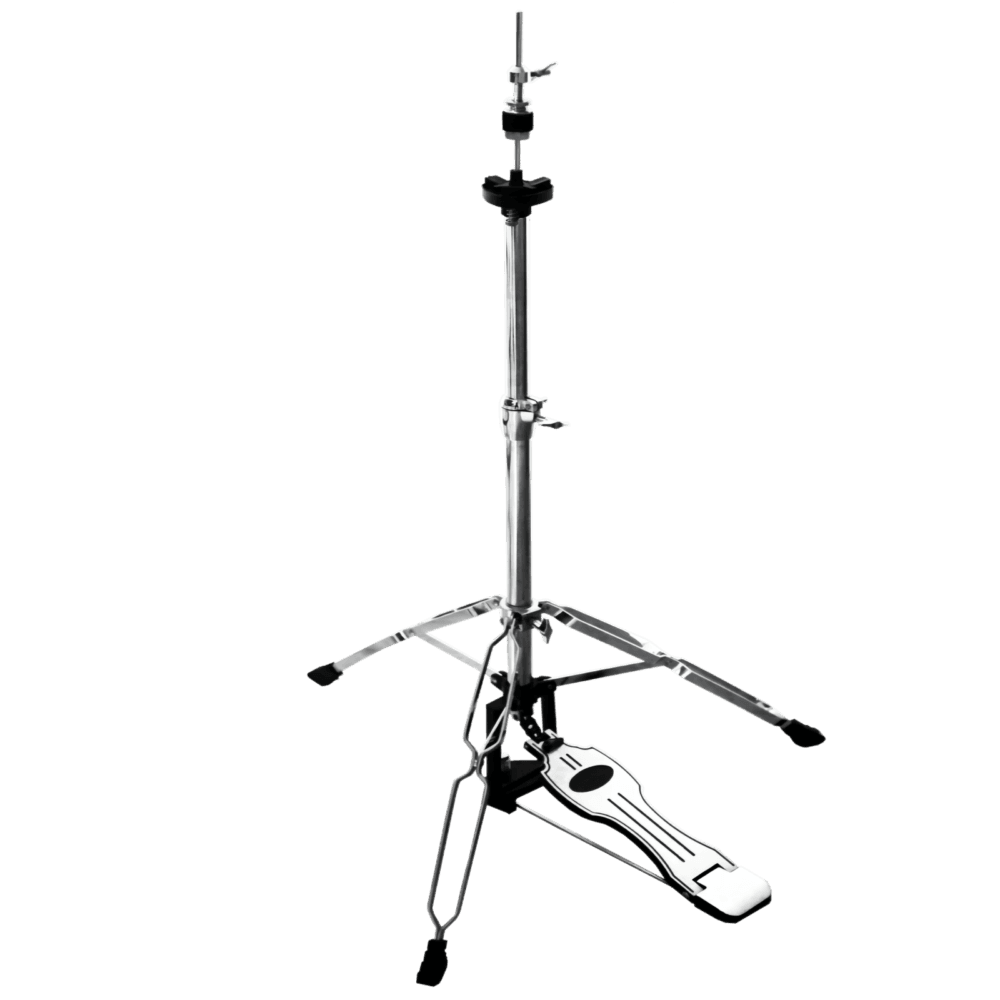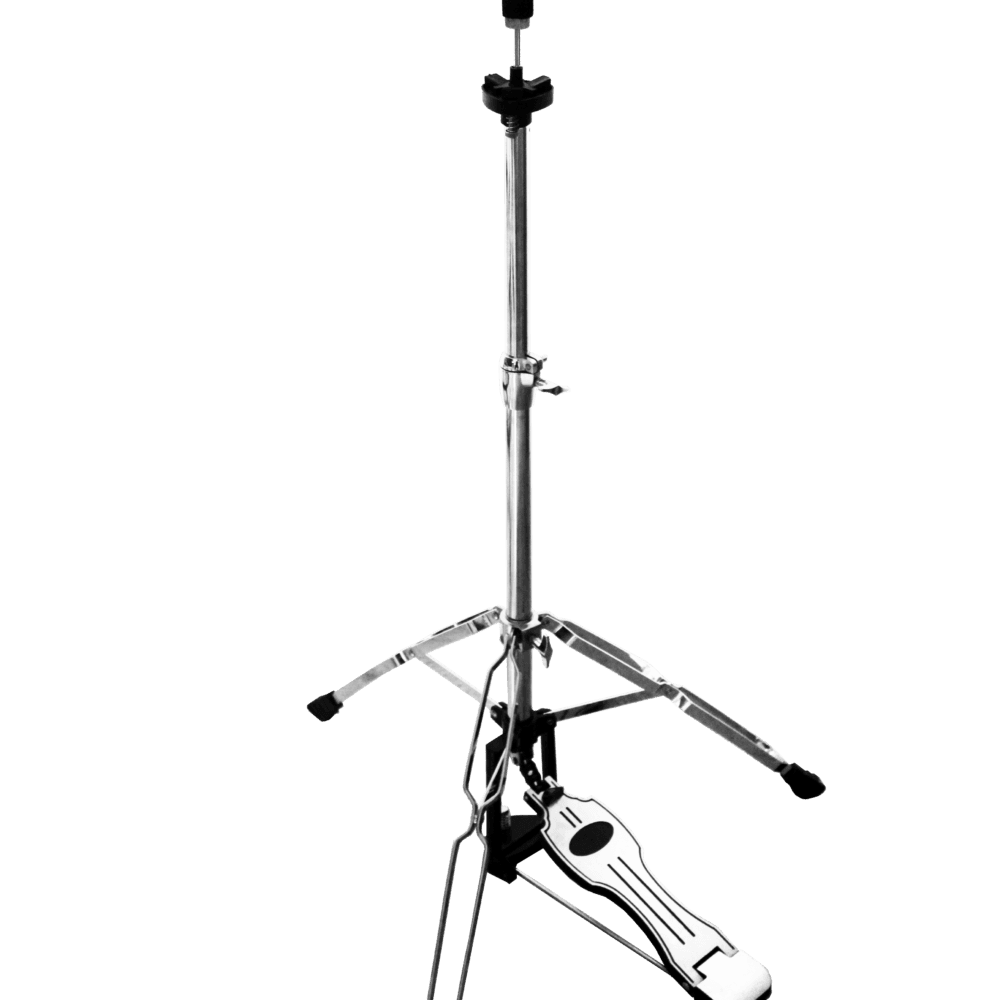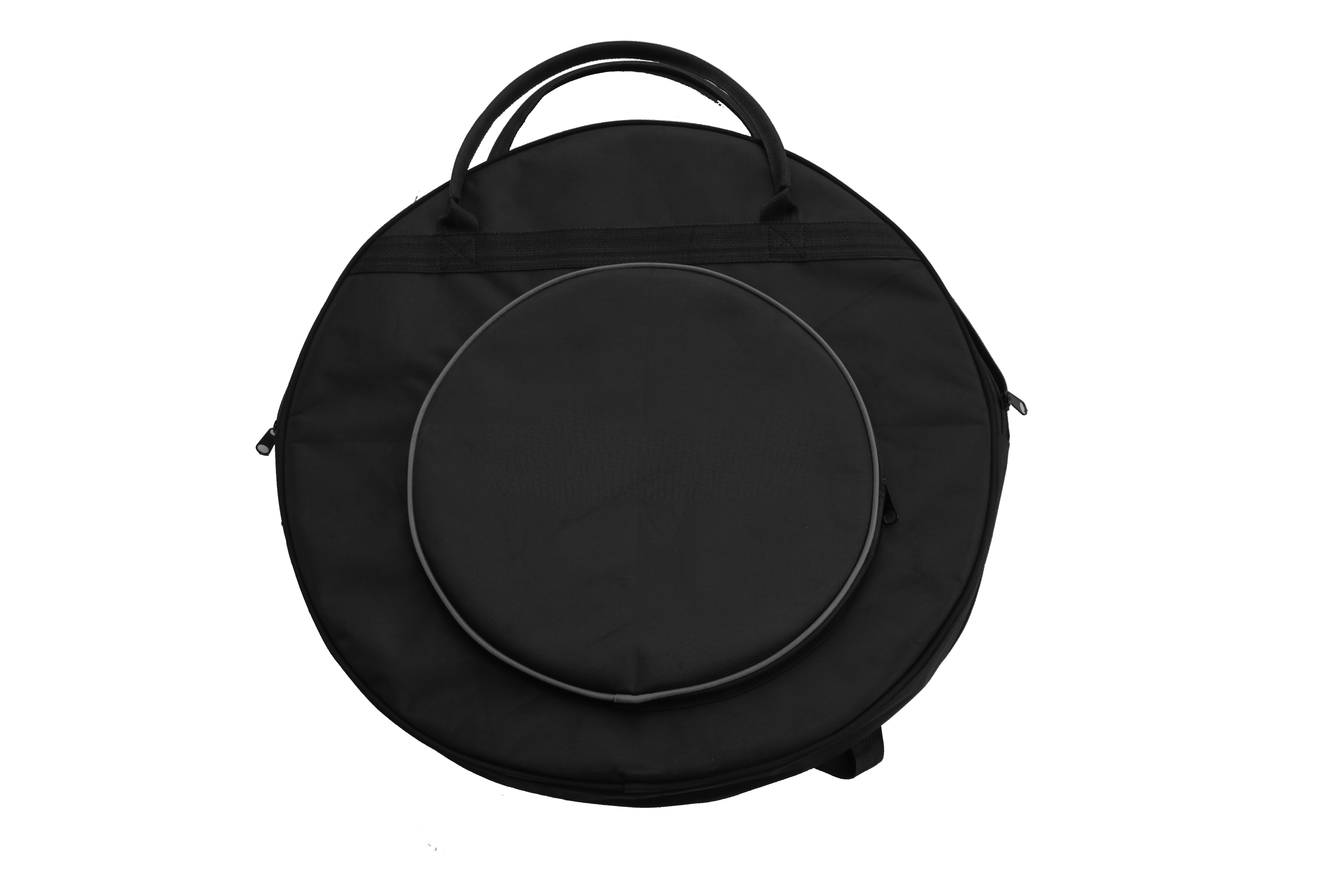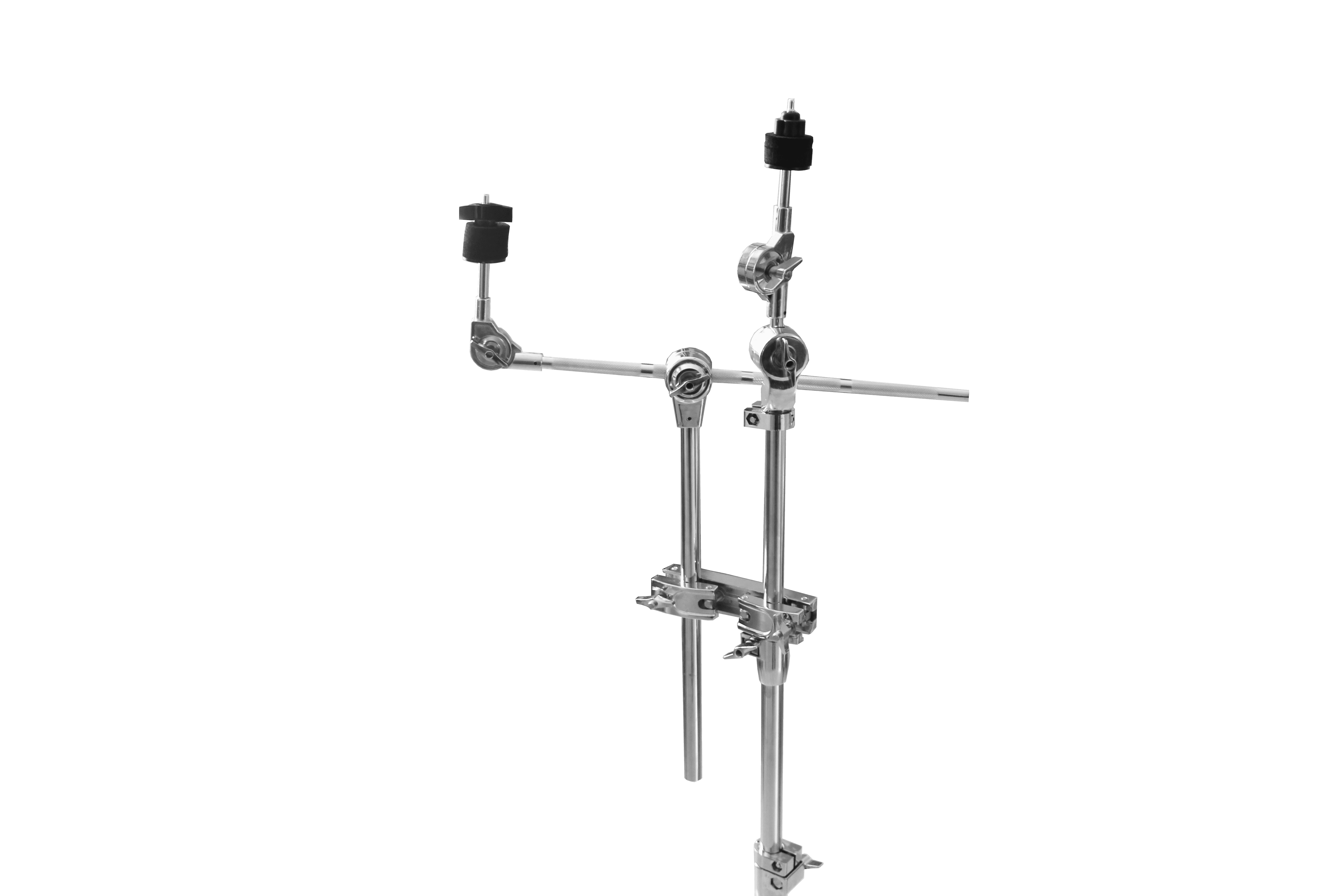
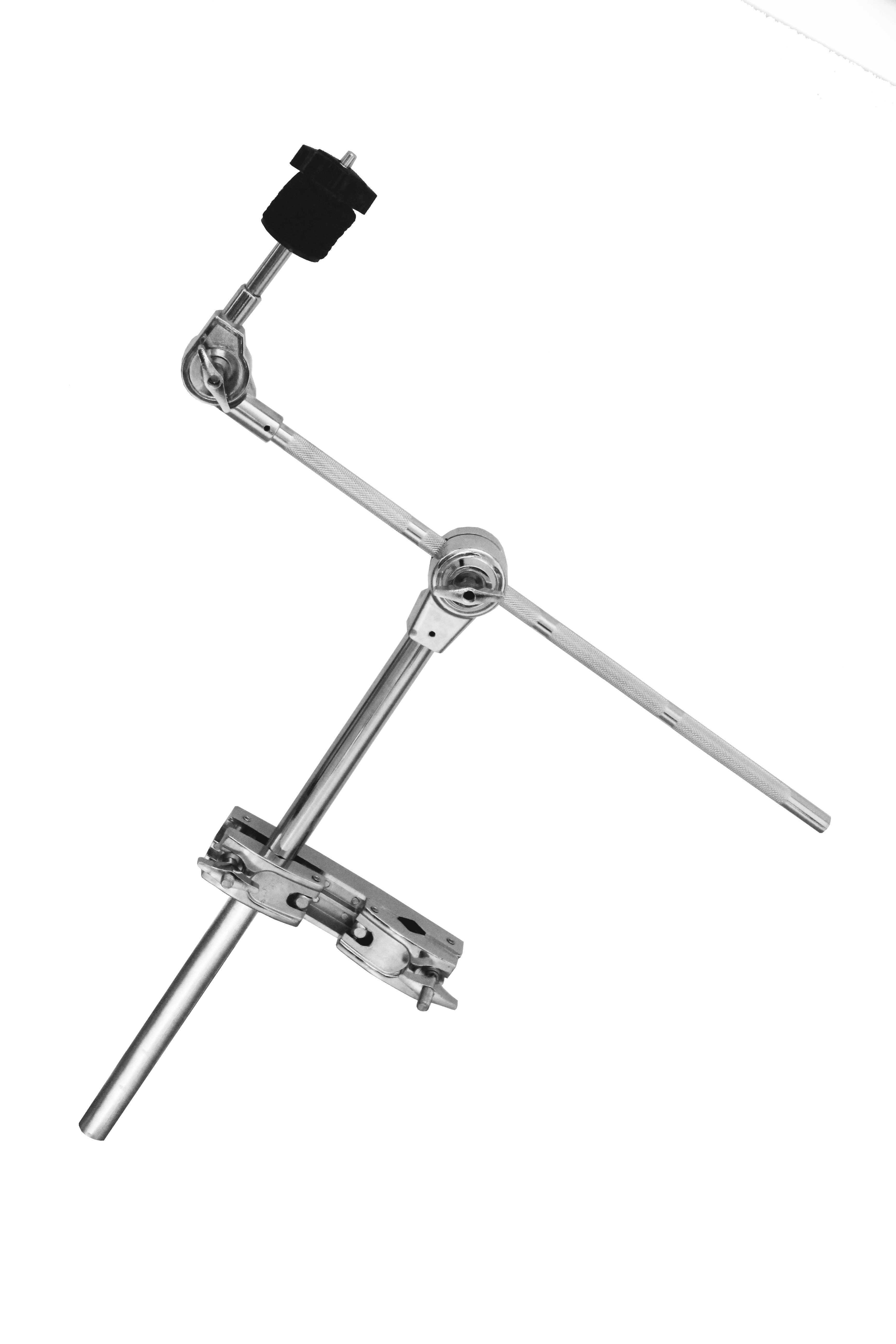
Half arm stand

Category

Additional information

$42.50

Prouduct Details

Maximize your setup efficiency with the Mosico Half Arm Stand, featuring a compact half-length boom arm designed for space-saving cymbal positioning.

Half Arm Design

Compact Boom Configuration

  • 12-inch half-length boom arm for tight setups
  • Perfect for adding cymbals in limited space
  • Ideal for splash cymbals and auxiliary percussion

Space-Efficient Setup

  • Fits between existing stands without crowding
  • Allows closer cymbal positioning to drums
  • Perfect for compact drum kit configurations

Professional Features

Stable Support

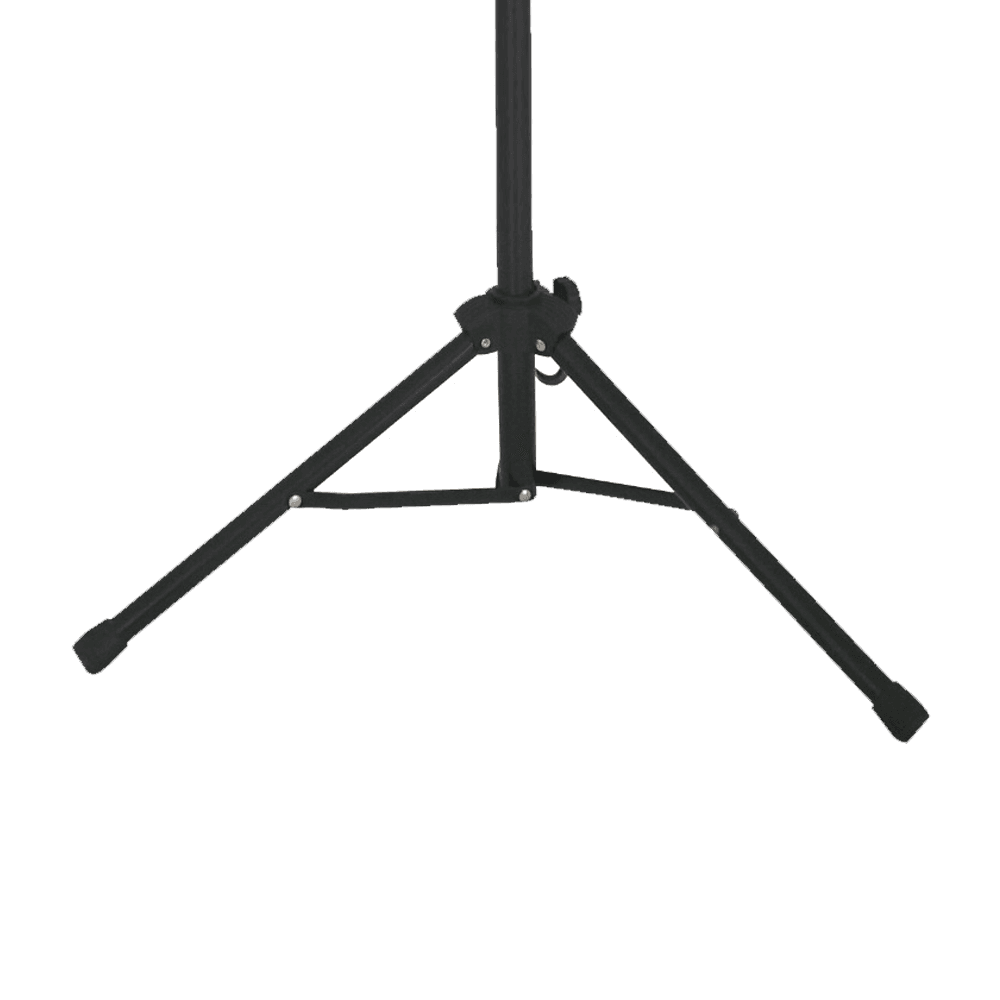
  • Heavy-duty tripod base with double-braced legs
  • Secure boom arm locks maintain position
  • Supports cymbals up to 6 lbs safely

Adjustable Positioning

  • Height adjustable from 36″ to 52″
  • 360-degree boom rotation for precise placement
  • Tilting cymbal holder for optimal angle

Specifications

  • Height Range: 36″ to 52″ adjustable
  • Boom Length: 12″ half-arm extension
  • Base: Double-braced tripod construction
  • Weight Capacity: Up to 6 lbs
  • Finish: Chrome or black powder coating

Compact design. Maximum flexibility. Perfect positioning in minimal space.
Address

Fanjia Vililage, Shuizhai Town, Zhangqiu City, Shandong, China
Get In Touch

Porduction

Learn about the materials and construction techniques used in crafting our cymbals. From traditional bronze alloys to modern innovations, our cymbals are built with precision and care to deliver outstanding performance and durability. Dive into the world of cymbal manufacturing and understand the factors that contribute to their distinct tones.
Mixing The Elements
We use highest quality B20 Bronze alloy. Basically B20 Bronze alloy is a mixture of 80% Copper and 20% Tin ,and B20 is known as the most musical of all alloys. Our centuries old secret process gives the alloy its strength, durability and flexibility. Without the secret process, the metal will be hard but very brittle and can break like a glass easily. That secret process has an extremely important role on producing musical sounding cymbals.
Casting
In the first step of producing cast cymbals, the proper mixture of metals are melted and combined in the melting pot which they soon become castings. Melting allows the copper and tin mix in a certain heat and that heat evaporates all impurities in the alloy.The amount of the molten alloy in every mold can be different depending on the cymbal type. After pouring, the alloy gets hardened and becomes what we call Castings. Now these castings are ready for the next step which we call “Heating"
Heating & Rolling
The castings will be heated around 700-800 C in our oven. Each casting is heated evenly in the oven by our skilled craftsmen. The heated castings are now soft and ready to go under the rolling machine to become metal discs which we call “blanks”. These blanks are heated up and rolled again several times until the blank reaches its desired thickness. This process also allows the metal molecules bond together perfectly and makes the metal more durable. Then blanks are set aside to cool before the next process
Pressing The Bell
Cooled down blanks will be heated again then put it in the model for bell pressing. After cutting the blanks into their proper shape, we get the primary cymbals
Hammering
This process is the first and the most important phase of shaping the sound of a cymbal. Hammering is done by our skilled craftsmen, using centuries old hammering techniques. These techniques determine the dark, complex and musical sound qualities of ARBOREA Cymbals. In its nature, hammering process requires mastery, skill and lots of hard work cause in handmade cymbals, the profile of a cymbal is given only by hammer hits. The cymbals sound was tuning by our experienced craftsmen.
Lathing
Lathing is the other very important phase of cymbal making which directly effects the sound of a cymbal. It should definitely be done by highly skilled craftsmen. Lathing cuts circular grooves on a cymbal and lets the vibrations travel on the surface of a cymbal easily.
Testing And printing
After lathing, some cymbals will be polished depend on the surface requirement, the finished cymbals are sent to final testing. Our product specialist takes care of each cymbal and does the final visual and audio tests. Then the quality conformance cymbals will be printed our logos and after checking the logos ,the cymbals are ready to take their places on the shelves in our show room ,then send to the distributors,in order to be played by all levels of musicians worldwide.

Ask For A Quick Quote

We will contact you within 1 working day, please pay attention to the email